Category: Skin Concerns

  • The complete guide to year-round hydration.

    Hydration as a year-round formulation problem, not a seasonal fix

    Skin Concerns · Journal

    The guide to year-round hydration.

    Hydration needs change with the seasons, the climate, and the air around you. Most routines do not.

    5 min read

    Scroll

    Hydration is frequently treated as a winter problem — something to address when skin starts to feel tight or flake. In practice, indoor heating, air conditioning, air travel, and even over-cleansing can dehydrate skin in any season. Hydration is better treated as a constant baseline need with seasonal intensity adjustments, not an on/off response to visible dryness.

    Dehydrated is not the same as dry

    Dry skin lacks oil; dehydrated skin lacks water — and any skin type, including oily skin, can be dehydrated. Treating dehydration with richer oils rather than water-binding actives like hyaluronic acid often misses the actual deficit.

    Layering order affects how much actually absorbs

    The most water-binding, lightest products belong closest to clean skin; richer, occlusive layers belong last, to seal in what the lighter layers have already delivered.

    Environment matters more than the calendar

    A heated office in summer can dehydrate skin as effectively as a cold winter outdoors. The more useful cue is the environment you are actually in, not the season on the calendar.

    “Hydration is not a winter fix. It is a baseline the rest of the routine depends on.”
    See how the ritual layers actives correctly

    Explore

  • The truth about under-eye aging.

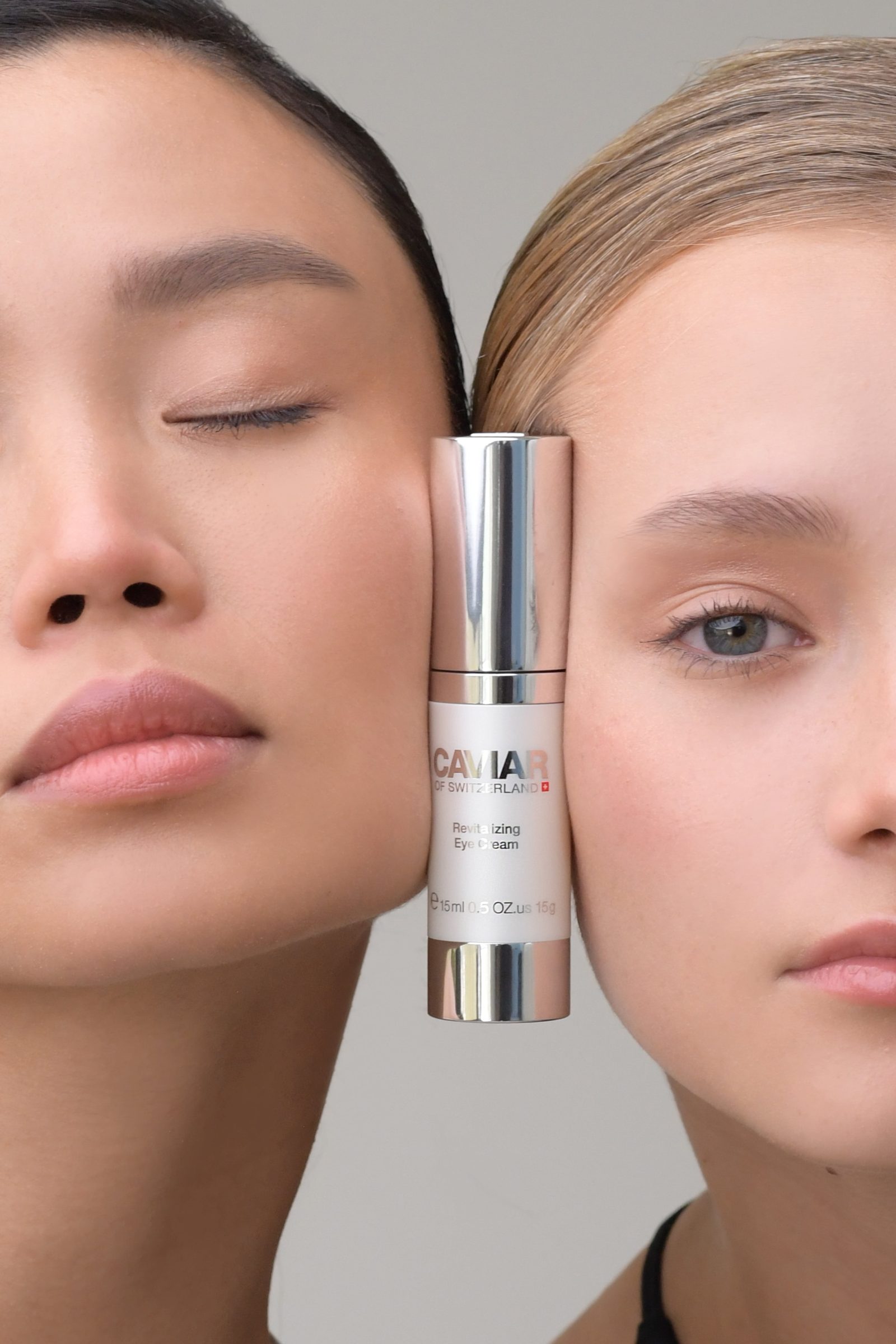
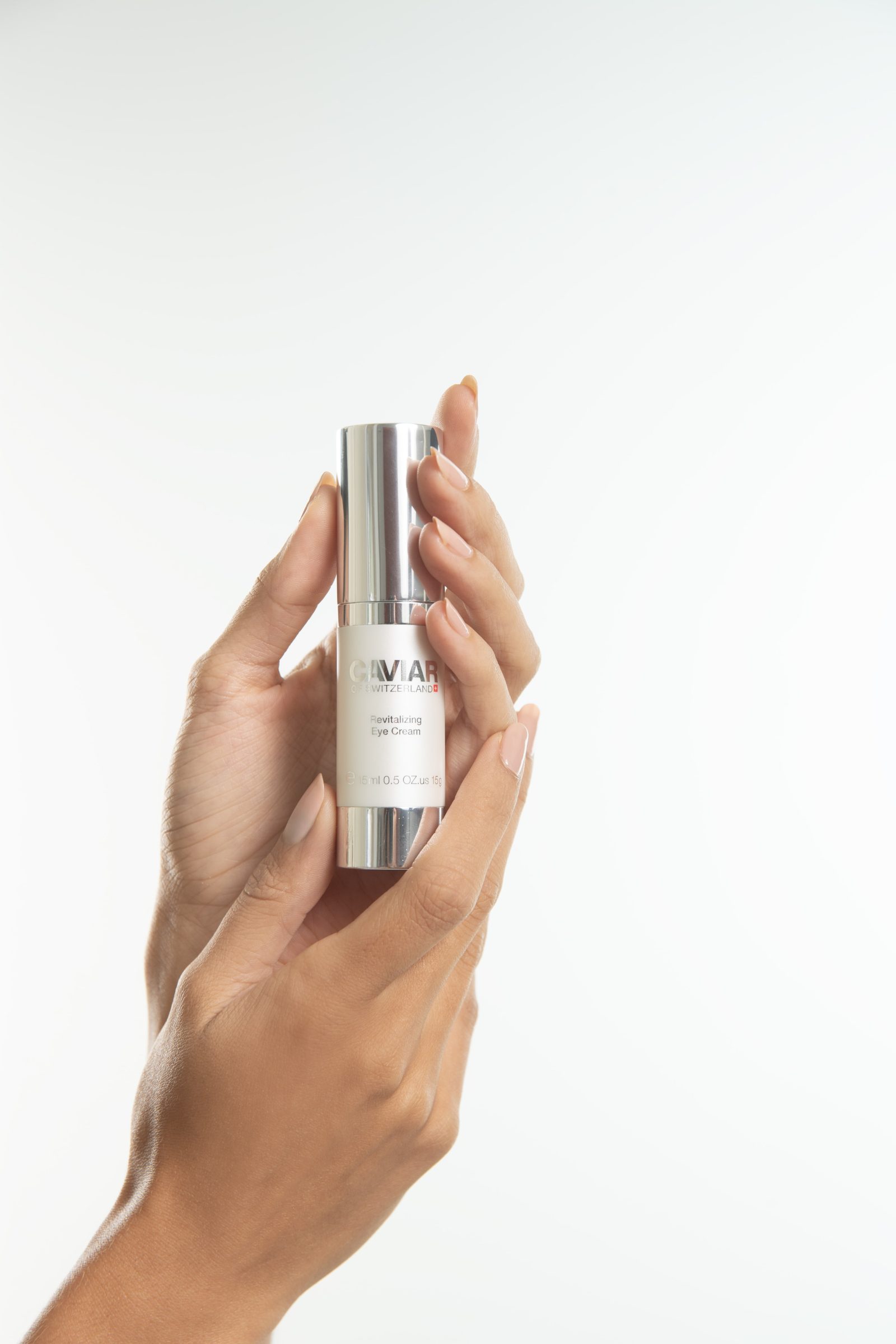
    Revitalizing Eye Cream, formulated for a different skin entirely

    Skin Concerns · Journal

    The truth about under-eye aging.

    The skin under your eyes ages differently from the rest of your face — and most products ignore that.

    4 min read

    Scroll

    The skin around the eye is roughly a third the thickness of skin elsewhere on the face, has far less collagen and fat support, and moves several thousand times a day through blinking and expression. It is, structurally, almost a different skin type — which is why a facial moisturizer applied under the eyes rarely performs the way it does everywhere else.

    Puffiness is usually about fluid, not aging

    Morning puffiness is most often fluid retention related to sleep position and circulation, not a sign of accelerated aging — which is why cooling and gentle massage often help faster than any active ingredient.

    Dark circles have at least three separate causes

    Pigmentation, visible blood vessels through thin skin, and shadowing from volume loss all present as “dark circles” but require different approaches — which is why a single product rarely resolves all three.

    Fine lines respond to thickness and hydration, not aggression

    Because the area cannot tolerate the same actives or concentrations as the rest of the face, the more reliable lever is supporting thickness and hydration consistently, rather than reaching for stronger ingredients.

    “The eye area was never going to respond to a facial moisturizer formulated for a different skin entirely.”

    See the Revitalizing Eye Cream

    Explore

  • Understanding breakouts in adult skin.

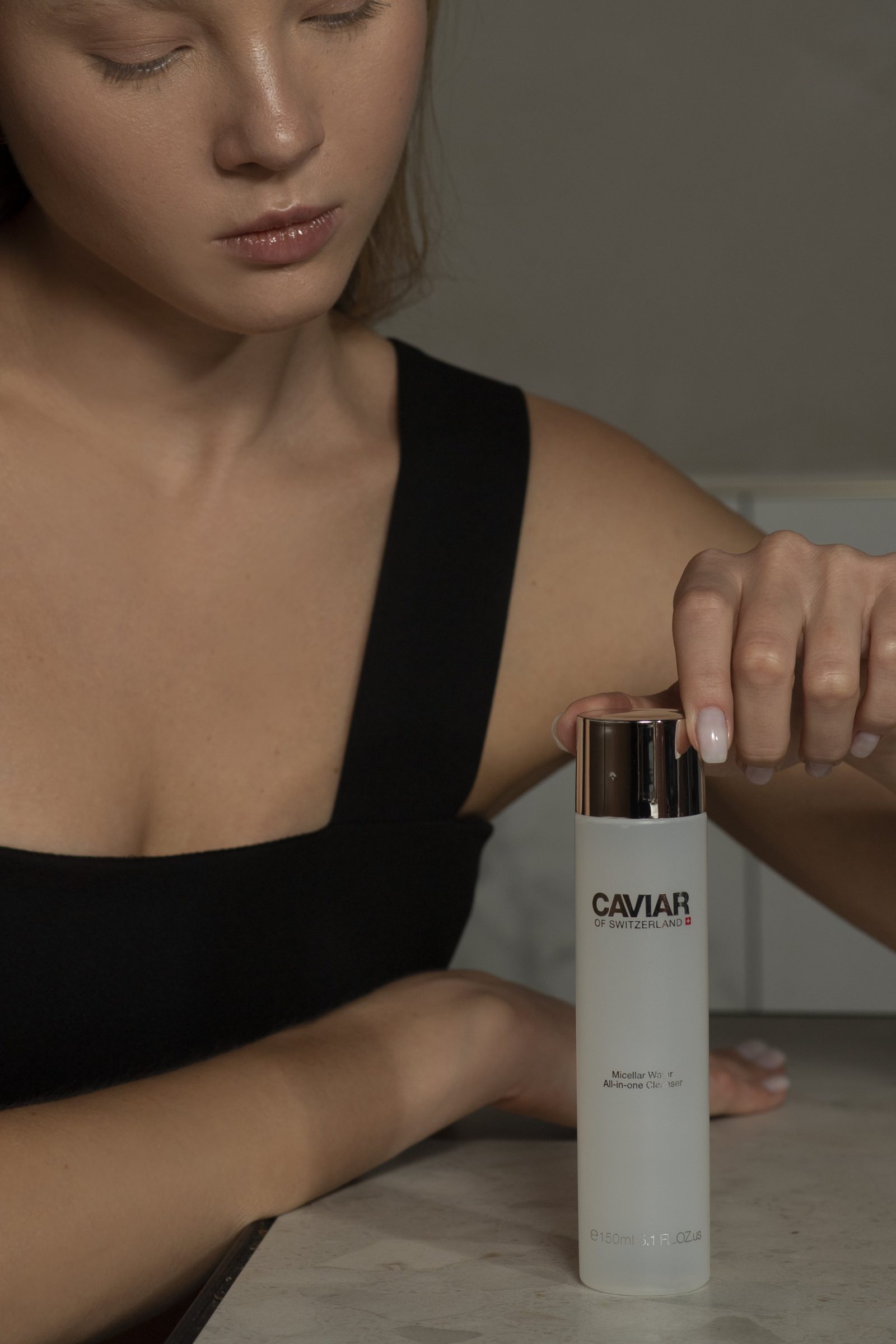
    Cleansing as the first, not the only, response to adult breakouts

    Skin Concerns · Journal

    Understanding adult acne.

    Adult breakouts are not teenage acne, and they rarely respond to the same advice.

    5 min read

    Scroll

    Teenage acne is driven primarily by hormonal surges and excess sebum production. Adult breakouts — often appearing along the jawline and chin, often cyclical — are more frequently driven by a mix of hormonal fluctuation, barrier disruption, and product buildup. Treating adult skin with teenage-acne advice, built around stripping oil, often makes the underlying barrier problem worse.

    Where adult breakouts tend to appear, and why

    Jawline and chin breakouts correlate strongly with hormonal cycles. Forehead congestion correlates more often with product buildup or haircare contact. Location is a genuinely useful diagnostic clue.

    The over-cleansing trap

    A reflexive response to breakouts is to cleanse more aggressively. For adult skin, this frequently compromises the barrier further, triggering more oil production as compensation — a cycle that gets worse the more it is treated like teenage acne.

    What actually helps

    Consistent, gentle cleansing; barrier-supportive hydration; and patience — adult breakouts tied to hormonal cycles resolve on a roughly monthly rhythm regardless of product, so the goal is calmer skin between cycles, not an overnight fix.

    “Adult breakouts are a barrier story more often than they are an oil story.”

    Start with a gentler first step

    Explore

  • Caring for sensitive skin without overcomplicating it.

    A simplified approach to reactive, sensitive skin

    Skin Concerns · Journal

    Caring for sensitive skin, simplified.

    Sensitive skin does not need more products. It needs fewer variables.

    4 min read

    Scroll

    Sensitive skin is often treated as a category of products to buy — “for sensitive skin” formulas, fragrance-free lines, calming serums. The more useful frame is fewer variables: every active, every fragrance compound, and every change introduced to a routine is a chance for a reaction. Sensitive skin rewards restraint more than it rewards any specific ingredient.

    Introduce one variable at a time

    Changing a cleanser and a serum in the same week makes it impossible to know which one caused a reaction, if one occurs. Sensitive skin is best managed by changing a single step, waiting two weeks, then changing the next.

    Fewer actives, at the right concentration, beat more actives at lower ones

    A formula with one or two well-tolerated actives, used consistently, will outperform a rotating cast of “gentle” products that never stay in the routine long enough to show a result.

    Barrier support is not optional

    Sensitive skin is frequently a compromised-barrier problem wearing a sensitivity label. Restoring the barrier often resolves the reactivity that prompted the search for “sensitive skin” products in the first place.

    “Sensitive skin is rarely asking for a special product. It is asking for fewer changes.”

    See a routine built on restraint

    Explore

  • How to actually identify your skin type.

    Skin in its resting state, the basis for an honest skin-type read

    Skin Concerns · Journal

    How to identify your skin type.

    Most people are guessing. A reliable answer takes about twenty minutes and no products at all.

    4 min read

    Scroll

    Most skin-type quizzes ask how skin behaves directly after a product is applied — which measures the product, not the skin. A more reliable read starts with a clean face and nothing on it for thirty to sixty minutes, observed at rest, away from the immediate effects of any cleanser, toner, or moisturizer.

    The bare-skin test

    Cleanse, then wait. Oily skin will show shine, particularly across the forehead, nose, and chin, within the hour. Dry skin will feel tight, sometimes visibly flaking, in the same window. Combination skin will show both at once, in different zones. Normal skin will show neither.

    Why this matters more than seasonal habit

    Skin type is a baseline. Skin condition — dehydrated, reactive, congested — changes with season, stress, and environment, even when the underlying type does not. Confusing the two is the most common reason a routine stops working.

    What to do with the answer

    A reliable skin-type read should change how a routine is sequenced and how heavy each step is — not just which products are purchased.

    “Skin type is the one variable in a routine that should not be re-guessed every season.”

    Find your starting point in The Ritual

    Explore